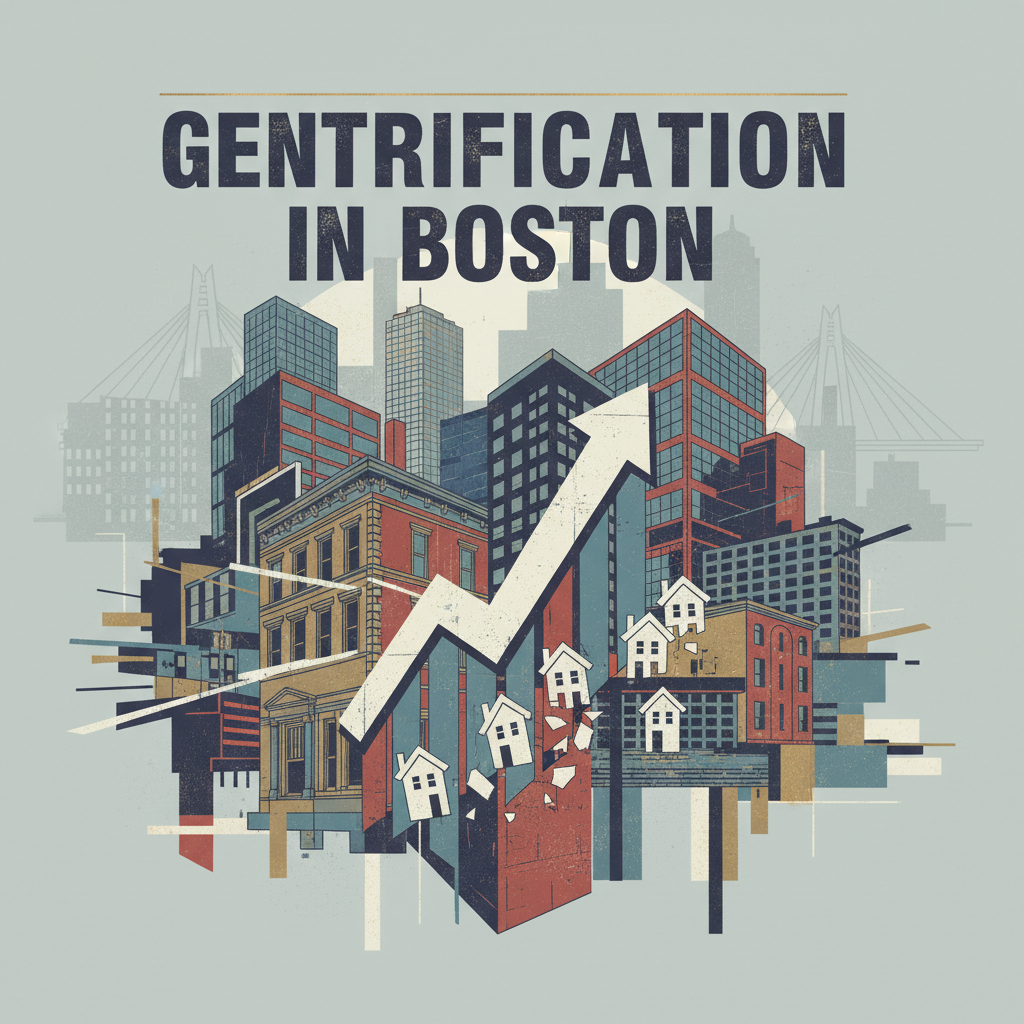
Boston's Gentrification Crisis: Disproportionate Impact on Black Residents and a Legacy of Displacement
Summary
Consistently ranked among the most gentrified cities in the U.S., Boston's rapid urban transformation is having a "devastating" and disproportionate impact on its Black residents, perpetuating a cycle of displacement and exacerbating long-standing racial and economic disparities.
Boston, a city celebrated for its rich history and vibrant culture, carries the less flattering distinction of being one of the nation's most rapidly gentrifying urban centers. This swift transformation, while bringing new development, has inflicted "devastating" consequences on the city's Black communities, leading to significant displacement and the erosion of cultural heritage. Experts and community advocates highlight how this process is not merely economic but deeply racialized, often echoing historical patterns of segregation and disinvestment.
The impacts on Black residents are profound. Studies reveal stark disparities in homeownership, with only 29.7% of Black residents owning homes in Boston, compared to 44.5% for white residents. This low rate of homeownership leaves many vulnerable to rising rents and property values driven by gentrification, forcing families out of neighborhoods they have called home for generations. Historically Black areas, once shaped by redlining and underinvestment, are now experiencing rapid redevelopment that prices out long-term residents, fragmenting social networks and dismantling community institutions.
The displacement is not just residential; it's cultural and economic. The influx of new residents often leads to shifts in local businesses, public spaces, and the overall character of neighborhoods, making it harder for existing Black-owned businesses and cultural hubs to thrive. Organizations across Boston, including community groups and even the City government with its Anti-Displacement Action Plan, are actively working to confront these challenges. However, the ongoing struggle underscores the urgent need for equitable development strategies that prioritize the retention and empowerment of Boston's Black residents amidst relentless gentrification.
TBI context
Related Articles
Directly connected reporting and highlights from TBI, including work kept in the archive.

Business · May 13
Unlocking Capital: Funding Opportunities for Small Black Businesses and Artists in Boston
The Boston Foundation, Mass Cultural Council, City of Boston, Ujima Boston, MassArt, NAACP, Comcast RISE, LISC Boston, Hiscox, Mass.gov

Achievement · May 12
BryanXMiguel Redefines High-Stakes Styling with Miss Universe Haiti 2025 Portfolio
Website

Activism · May 8
HIV Services Face Funding Jeopardy: Boston's Black and Queer Communities Hit Hardest
The Advocate
Activism · May 23
Boston Medical Center Launches New Initiative to Advance Racial Justice in Healthcare
BMC HealthCity