
Remembering Nelson Sullivan: The OG Vlogger Who Captured Black Queer Brilliance and a Community on the Brink
Summary
Before "vlogging" was a word, Nelson Sullivan's video camera was a constant companion, documenting 1980s New York City's underground club and ballroom scenes, capturing Black queer celebrity, the rise of a vibrant culture, and the poignant shadow of the looming HIV/AIDS epidemic, until his untimely death on July 4, 1989.
In the annals of queer history, few figures offer as intimate and raw a glimpse into 1980s New York City as Nelson Sullivan. Long before smartphones and social media, Sullivan was the quintessential "vlogger," carrying his video camera through the downtown club and art scenes, meticulously documenting a world of vibrant creativity, radical self-expression, and a community on the cusp of profound change. From drag shows and legendary parties to the foundational moments of ballroom culture, Sullivan’s thousands of hours of footage provide an invaluable, unfiltered archive of a bygone era.
Originally from South Carolina, Sullivan relocated to Manhattan in the 1970s, where he immersed himself in documenting the city’s vibrant art and gay communities. Through his camera, he chronicled figures such as John Sex, Sylvia Miles, RuPaul, and numerous other performers, while also preserving the legacy of ballroom legends and cultural icons who brought downtown bars and nightclubs to life.

Sullivan's unique vantage point gave unparalleled access to the emerging Black queer icons and the pulsating energy of the ballroom scene. He captured performers at their peak, showcasing the artistry, fashion, and fierce individuality that would later become globally recognized. His camera frequently lingered on the faces and performances of Black gay celebrities and community members who were shaping the cultural landscape, preserving their brilliance at a time when mainstream media largely ignored or demonized them.

Tragically, Sullivan's prolific videography also serves as a poignant, accidental chronicle of the devastating impact of the HIV/AIDS epidemic. While he himself passed away from a sudden heart attack on July 4, 1989—days after dedicating himself fully to his craft—many of the dazzling stars and vibrant personalities he filmed would later be lost to the disease. His footage thus offers a bittersweet window into a period just before the full scale of the crisis became apparent, preserving the lives and vitality of those who would soon become victims. Nelson Sullivan's work is not just a historical record; it is a testament to the resilience, joy, and groundbreaking artistry of Black queer culture, captured with an intimacy and foresight that remains unmatched.
TBI context
Related Articles
Directly connected reporting and highlights from TBI, including work kept in the archive.

Community · Jun 20
The City’s Overdose Numbers Are Dropping. Thank Black and Queer Organizers on the Frontlines.
Originally reported by the Dorchester Reporter

Community · Aug 29
Massachusetts’ Racial Wealth Gap Works Exactly as Designed - and The Truth is Bleak
Originally reported by The Boston Globe

Media · Jul 17
The Significance of Black Podcasting, Black Excellence Claiming Space and Not Waiting for Permission
iHeartRadio, Complex, Youtube, Apple Podcasts,
Arts & Culture · Jul 29
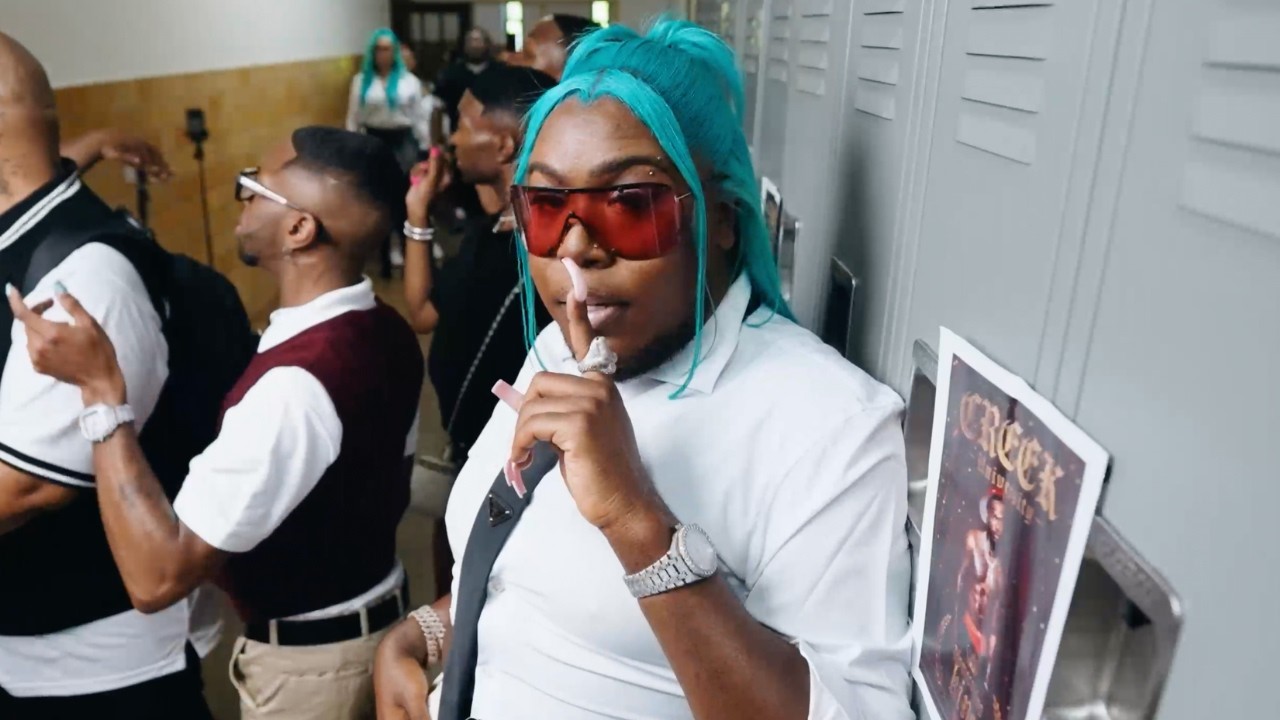
Quiet on the Creek: The Viral Stream That Revived a Hidden Black History
Music video and song: Saucy Santana, 'Quiet on the Creek' (Official Music Video, YouTube). Stream collab: Deshae Frost Twitch stream, July 2026. Historical: 'Sailing to Freedom' exhibit, Chesapeake Bay Maritime Museum; Bay Journal; Wikipedia (Underground Railroad).